Improving knowledge of the global methane cycle in the past, present, and future
Methane is a key component of the global carbon cycle, and understanding the processes controlling the abundance of atmospheric methane is profoundly important for understanding future climate and mitigation options. Major sources of methane include both natural- and human-driven pathways, including wetlands, fossil fuels, agriculture, landfills, and fires. Atmospheric methane concentrations have exhibited large variations over time, and have rapidly grown since 2020, yet the drivers of these variations remain scientifically elusive.
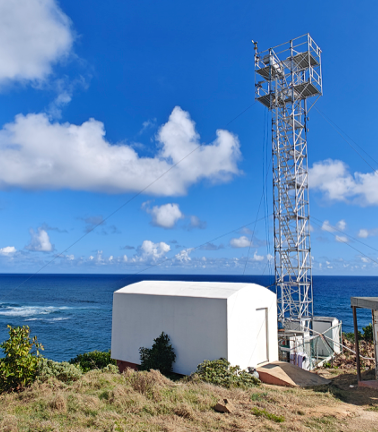
To fill these gaps, the FETCH4 team is collecting data from both Greenland ice cores and air samples from stations around the world and measure their unique chemical fingerprints. Our goal is to single out individual aspects of the methane cycle, such as those coming from fossil fuel emissions, and identify both their sources and sinks. Using what we learn, our team will develop and sharpen the capability of global climate models to account for methane. We hope that by creating more efficient models, which will be accelerated by machine learning, that we can better interpret these chemical fingerprints and more efficiently capture the methane feedback mechanism in global climate models.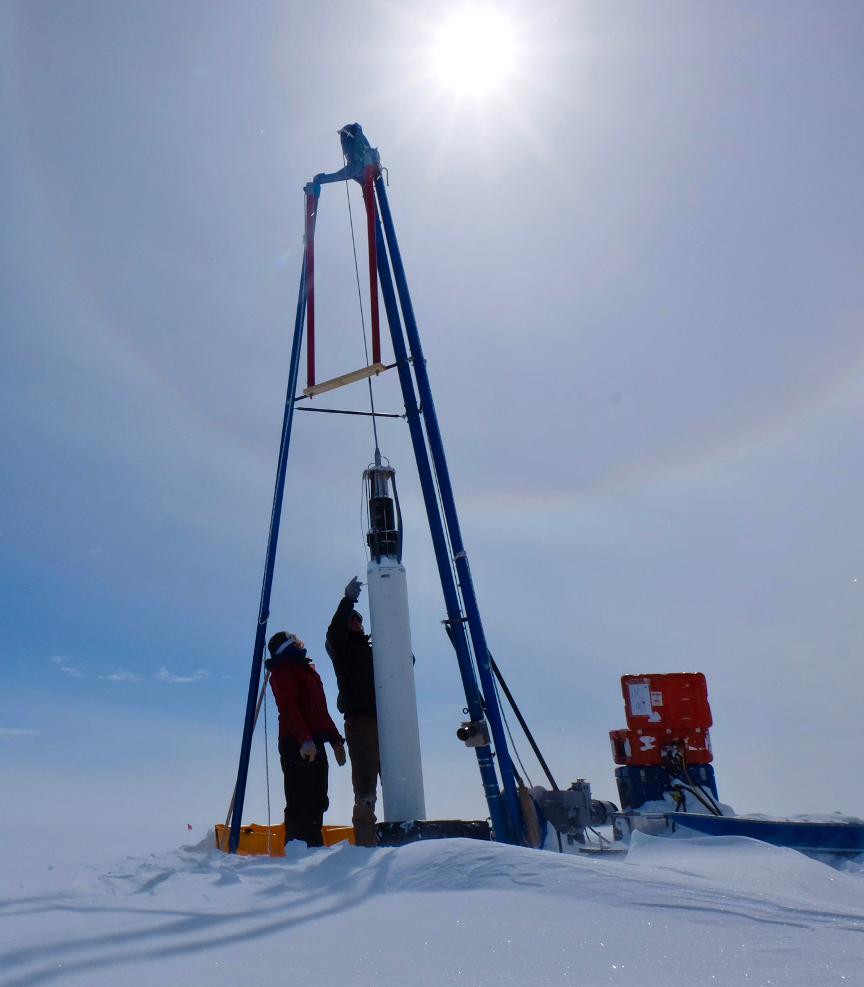
Key Goals
- Make new isotopologue measurements in modern air samples and Greenland ice cores
- Develop new satellite measurements of fossil sources and the tropospheric oxidative capacity
- Incorporate these isotopologues and satellite measurements into four chemistry-climate models
- Develop faster representations of chemistry-climate models to interpret these measurements
- Improve our understanding of the drivers of the methane cycle
Working Groups
WG1
Measurements
Isotopologue measurements in Greenland ice cores and modern air samples at stations worldwide.
WG2
Modeling
Chemistry-climate simulations spanning glacial, preindustrial, and modern time periods.
WG3
Machine Learning
Emulators, satellite-based proxies, and data assimilation tools to interpret observations at scale.